
How to mix bagged concrete and mortar
To mix bagged concrete or mortar, first choose the correct product, measure the water specified for that bag and use an approved mixing method. Mix until the material is uniform, then place it within its stated working time. Hand mixing, drum mixers and continuous mixers serve different jobs; the product instructions determine which methods are suitable.
A pre-blended bagged mix contains the dry ingredients needed for its intended application. General concrete, masonry mortar, paving bedding mortar and grout have different functions. Choosing the right mixing equipment will not compensate for choosing the wrong material.
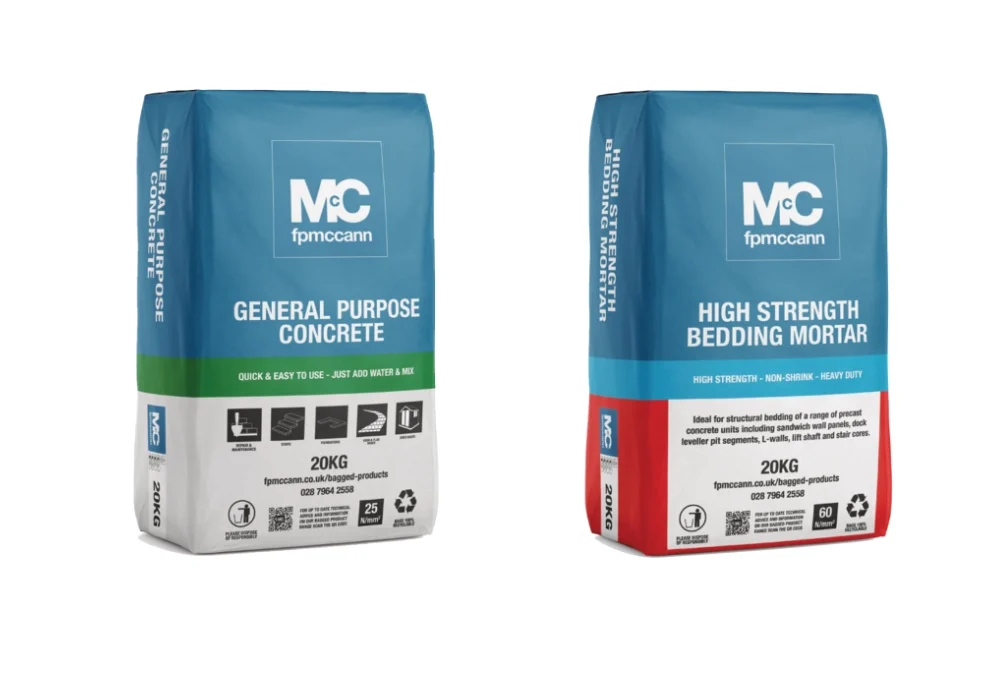
For paths, bases and everyday concrete repairs, review General Purpose Concrete. For brick and block laying, pointing and suitable masonry repairs, review General Purpose Mortar. Check the required strength, application depth and exposure conditions against the product information before ordering.
Method | When to consider it | Main consideration |
Hand mixing | Small quantities where the product permits it | Labour and consistency become harder to manage as quantities increase |
Drum mixing | Repeated batches of products approved for a traditional mixer | Allow time to load, mix, empty and move each batch |
Continuous mixing | A steady supply of material confirmed as compatible | Match water delivery and discharge to the product and placing crew |
Paddle or forced action mixing | Specialist mortars and grouts where specified | Observe the stated mixer type and minimum mixing duration |
For a small repair or limited quantity of an approved product, hand mixing avoids setting up a machine. Use a clean mixing area or container and the method stated on the packaging. Measure the water rather than estimating it, and mix thoroughly so there are no pockets of dry powder.
The listed mixing options for General Purpose Concrete and General Purpose Mortar include hand mixing. That permission does not extend automatically to every specialist material in the range. For larger quantities, consider the effort required to mix, transport and place material consistently throughout the job.
A traditional drum mixer produces material in batches. It can suit products whose instructions allow this method, including the general purpose concrete and mortar above. Plan the batch size around both the machine’s working capacity and how quickly the team can use the mixed material.
Compare the whole cycle, including bag handling, measured water, mixing, discharge and cleaning. The nominal drum capacity alone does not tell you how much finished work the team will complete in an hour.
A continuous mixer adds water as dry material passes through the machine. This can support jobs where the team needs a steady flow rather than separate batches. The MudMixer Evolution is one option for suitable bagged cement-based materials.
Check compatibility for the exact mix before choosing this method. Aggregate size, required consistency, additives and any specified mixing duration all matter. A material being supplied in a bag is not, on its own, confirmation that it can be used in a continuous mixer.
Where the product instructions specify a paddle mixer, forced action mixer or a minimum mixing duration, follow those requirements. Do not substitute continuous mixing unless the material supplier confirms that the method meets the product’s requirements.
Have the substrate, tools, access route and placing area ready before mixing. Check the current product data sheet for water quantity, temperature limits, preparation, working time and curing. Wear the protection specified in the safety instructions and control dust when opening and handling bags.
Keep tools and equipment clean, especially when changing products. Do not add extra water to revive material that has started to set. Rapid-setting products need particularly careful planning because their usable time can be much shorter than that of general purpose mixes.
No. Water requirements vary between products and sometimes between application methods for the same product. Use the quantity specified for the exact material and bag size.
No. Specialist grouts can require a particular mixer, mixing duration and consistency. Check the product data sheet and obtain confirmation before changing the specified method.
Explore the Bagged Materials range and read the individual product guidance before choosing your mix. For help matching a product and mixing method to the job, contact the MudMixer UK team.
We use essential technologies to make this website work. With your permission, we would also like to measure how people use it and display third-party content. The website will still work if you refuse optional technologies.